Flathead Family Font Review for Vintage Makers
I was standing at my workbench last Tuesday, staring at a blank kraft paper label for a new line of cedar and tobacco candles, when I realized my usual typography choices felt too polished and modern for the rustic aesthetic I was trying to achieve. That is when I decided to test Flathead Family, a display typeface that immediately caught my eye because of its authentic connection to American western culture and traditional tattoo artistry. As a maker who constantly balances creative beauty with real production needs, I needed a font that could carry the weight of handmade authenticity without looking like a generic costume. After spending a week testing this striking font family across candle labels, leather-stamped tags, and digital printable wall art, I have found it to be an exceptional tool for creators focusing on vintage aesthetics.
Flathead Family for Candle Labels and Rustic Packaging Design
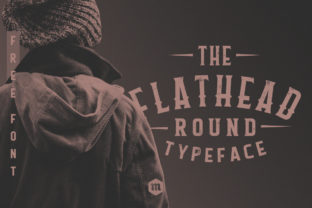
When designing physical product packaging, Flathead Family serves as a powerful anchor for brand identity, especially for makers in the home fragrance, leather goods, or artisanal food spaces. The mono weight structure provides a consistent visual rhythm that is surprisingly easy to work with on curved surfaces like glass jars and tin containers. During my testing on a 3-inch round candle label, the bold, decorated version of the font created an immediate focal point that communicated "handcrafted quality" before the customer even read the scent name. Because the design is inspired by American western culture, it pairs naturally with textured papers, uncoated cardstocks, and earthy color palettes often used in boutique packaging.
However, practical application requires understanding the limitations of decorative fonts in production. While the ornamented styles are stunning for primary titles like "Wild Sage" or "Desert Rain," they can become illegible if scaled down below 14 points on physical prints. For smaller regulatory text or ingredient lists on the back of packaging, I strongly recommend pairing Flathead Family with a clean, simple sans serif or a minimalist typewriter font. This contrast not only ensures readability but also elevates the perceived value of the product by allowing the display font to shine as a deliberate design element rather than competing with necessary fine print. The three included versions give you the flexibility to use the decorated style for the front label and the cleaner mono weight for secondary packaging elements like box sleeves or thank-you cards, maintaining brand consistency across your entire product line.
Using Flathead Family Fonts for Printable Wall Art and Digital Downloads
Digital product creators will find that Flathead Family translates exceptionally well to printable wall art and editable templates, where the demand for vintage-inspired typography continues to grow. I tested the font on an 8x10 digital download featuring a western landscape quote, and the intricate details of the decorated glyphs remained crisp even when viewed as a low-resolution listing mockup. This clarity is vital for Etsy sellers and digital designers who need their preview images to accurately represent the final high-resolution file. The tattoo-inspired linework adds a layer of artistic credibility that separates premium printables from mass-produced generic designs, making it ideal for nursery decor, bar signs, garage art, and masculine-themed office prints.
For those creating editable Canva or Corjl templates, the mono weight aspect of Flathead Family is a significant technical advantage. Unlike variable-width scripts that can break layouts when customers change text, the monospaced nature helps maintain alignment and spacing in template designs. This predictability reduces customer support questions about formatting issues and ensures your digital products look professional regardless of the end-user's design skills. Just remember to verify the commercial licensing terms included with the font files before selling templates or digital downloads, as proper licensing protects both your business and the original type designer while ensuring you can confidently market your creations as legitimate commercial assets.
Flathead Family Display Type for Wedding Signage and Event Stationery
Event stationery and wedding signage represent another area where Flathead Family excels, particularly for couples seeking non-traditional, boho-western, or alternative wedding aesthetics. I mocked up a welcome board design using the most ornate version of the font, and the result was a striking balance between edgy tattoo culture and romantic celebration. The font’s personality works beautifully on large-format applications like acrylic signs, wood slices, and chalkboard displays where the decorative details can be appreciated from a distance. It avoids the overly frilly feel of traditional wedding scripts while still providing the elegance and intentionality that wedding stationery demands.
When using Flathead Family for invitation suites, treat it strictly as a display element for names, dates, and headers. The intricate decorations that make it perfect for vinta aesthetics will turn into visual noise if used for venue addresses or detailed itinerary information. I found that combining the decorated Flathead style with a delicate handwritten font for personal notes and a structured serif for logistical details created a cohesive suite that felt both curated and readable. For Cricut and Silhouette users planning to cut this font from vinyl or cardstock, test your blade depth and weeding tolerance first; the internal negative spaces in the decorated glyphs are detailed and may require a slower cutting speed or a finer blade to prevent tearing on smaller letter sizes.
Production Tips for Cutting Machines and Merchandise Applications
Makers producing physical merchandise like tote bags, t-shirts, and enamel pins need to approach Flathead Family with specific production constraints in mind to ensure professional results. The font’s tattoo-inspired line work is inherently detailed, which is gorgeous in print but can be challenging for certain fabrication methods. For screen printing and DTG (direct-to-garment), the font performs beautifully because ink can capture the fine lines accurately. However, for heat transfer vinyl (HTV) or iron-on applications, I recommend sticking to the simpler mono weight version or scaling the decorated version significantly larger to avoid weeding nightmares and peeling edges after washing.
If you are designing for laser engraving on wood or leather, Flathead Family is an outstanding choice because the consistent stroke width produces even burn depths and clear contrast. I tested it on a vegetable-tanned leather luggage tag, and the western heritage of the typeface complemented the natural material perfectly. Conversely, avoid using the highly decorated versions for embroidery digitizing unless you are working with very large hoop sizes; the density of the decorative elements can cause thread breaks and puckering on standard apparel. Always create a physical prototype before listing new merchandise, as the transition from screen to substrate can alter how the vintage details are perceived. Understanding these material-specific behaviors ensures that your use of Flathead Family results in durable, sellable products that honor the craftsmanship of both the font and your handmade goods.
Ultimately, integrating Flathead Family into your creative workflow offers a distinct opportunity to infuse projects with genuine character rooted in American western and tattoo traditions. Whether you are refining a shop’s visual identity, launching a new printable collection, or crafting bespoke event signage, this striking font family provides the versatility and mood necessary to connect with audiences who appreciate thoughtful, vintage-inspired design. By respecting its display nature and pairing it wisely with supportive typefaces, you can transform simple materials into compelling stories that resonate with customers and elevate your maker brand.