Lovely Heart Font: Elevating Small Business Branding
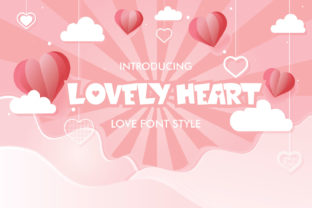
When I first started my small batch candle business, I spent months perfecting wax blends and scent profiles, but I completely overlooked the one thing customers saw before they ever smelled a product: my typography. My labels looked homemade in the worst way, and despite glowing reviews at local markets, my online sales were stagnant because my brand visuals didn't match the quality of what was inside the jar. Discovering Lovely Heart changed everything for my packaging design and social media presence. The Lovely Heart is an lovely display font that includes amazing hearts which will give your design a cute and playful touch, and integrating it into my brand identity was the turning point that transformed my hobby into a recognizable, professional business.
Lovely Heart for Product Packaging and Candle Labels
In the world of handmade goods, Fonts are often the difference between a product that looks like a craft project and one that looks like a premium retail item. When I redesigned my candle labels using Lovely Heart, I wasn't just picking a pretty typeface; I was solving a specific communication problem. Display typography needs to be legible at small sizes while still conveying emotion, and this font strikes that balance perfectly. The built-in heart ligatures act as subtle branding elements that reinforce the "handmade with love" message without needing extra graphic icons that clutter a 3-inch label.
For fellow entrepreneurs working on physical products, readability is paramount. I found that Lovely Heart works best when used for the product name or scent description rather than the fine print. On my lavender and vanilla jars, the playful curves of the letters draw the eye immediately, while the integrated hearts create a visual rhythm that guides the customer across the label. This specific application of Display fonts helps establish a cohesive look across an entire product line. Whether you are labeling skincare bottles, bakery boxes, or boutique clothing tags, the key is to let the font breathe. Avoid stretching or condensing the typeface digitally, as this distorts those signature heart details that make the font so special.
Using Lovely Heart for Social Media Graphics and Quotes
Social media is where many small businesses live or die, and consistency in your visual feed builds trust faster than almost any other metric. Lovely Heart became my go-to solution for Instagram stories, Pinterest pins, and promotional graphics because it photographs beautifully on mobile screens. When creating quote cards or announcement posts, the font’s inherent warmth stops the scroll. It feels personal and approachable, which is exactly the vibe needed for community-building content. Unlike stiff corporate typefaces, this creative font invites engagement and makes followers feel like they are hearing from a friend rather than a faceless entity.
I specifically use this typeface for short, impactful headlines and overlay text on product photography. Because it is a display style, it holds up well against busy backgrounds without getting lost. However, a word of advice for digital creators: always check contrast. The intricate details of the hearts can disappear if placed over a low-contrast image. I often use a solid color block behind the text or a slight drop shadow to ensure the typography remains crisp on smaller devices. This attention to detail signals professionalism to potential customers browsing their feeds during a quick lunch break.
Lovely Heart for T-Shirts and Merchandise Design
Expanding beyond core products into merchandise is a major milestone for any brand, and typography choice dictates whether people actually want to wear your gear. Lovely Heart is exceptionally strong for t-shirts, tote bags, and stickers because its personality translates perfectly to fabric and vinyl. When I designed a limited run of tees for a Valentine’s Day pop-up market, the font provided instant thematic relevance without looking cheesy or generic. The amazing hearts included in the character set serve as standalone design elements, allowing me to create variations of the same shirt without purchasing additional clip art assets.
- Apparel Printing: Ensure high-resolution vector files are used to keep the heart edges sharp on screen prints.
- Vinyl Cutting: Test cut settings first, as the internal counters of the hearts may require weeding tools for smaller sizes.
- Embroidery Digitizing: Simplify the design slightly if stitching, as dense heart details can cause thread breaks.
- Sticker Die-Cuts: Use the font's natural spacing to create kiss-cut sticker sheets that maximize material usage.
Merchandise serves as walking advertising, so legibility from a distance matters. I recommend using Lovely Heart for the main phrase or logo lockup and pairing it with a simple sans serif for secondary information like website URLs or dates. This hierarchy ensures the cute and playful touch captures attention first, while the supporting text delivers the necessary functional information clearly.
Lovely Heart for Logos and Magazine Covers
Your logo is the cornerstone of your brand identity, and choosing a distinctive typeface can save thousands in custom lettering costs. While Lovely Heart is primarily a display font, its unique character shapes make it viable for logotypes, especially for businesses in the beauty, wedding, stationery, and confectionery niches. I used it to refresh my own business wordmark, tweaking the kerning slightly to create a custom lockup that felt proprietary. The hearts within the letters add a layer of storytelling that explains my brand values instantly, communicating care and craftsmanship before a customer reads a single word of my about page.
For editorial projects like magazine covers, zines, or digital lookbooks, this font excels at creating hierarchy. Display fonts are designed to command attention at large sizes, making them ideal for mastheads and feature titles. I have seen fellow creatives use Lovely Heart for cover lines that need to pop off a pastel background, contrasting effectively with minimalist photography. The key to successful editorial use is restraint; let the font be the star of the headline and support it with clean, neutral body copy. This juxtaposition creates a modern, sophisticated layout that feels intentional rather than accidental.
Font Pairing Strategies with Lovely Heart for Brand Consistency
No font exists in a vacuum, and knowing what to pair with Lovely Heart is essential for maintaining professional polish across all business materials. Because this typeface has so much personality and decorative detail, it demands a quiet partner. I consistently pair it with geometric sans serifs or minimal monoline scripts for body text, ingredient lists, and contact information. The goal is to create visual tension: the playful energy of Lovely Heart balanced by the stability of a neutral companion. This combination ensures that your posters, menus, and website banners remain readable and accessible while still retaining that signature charm.
Before finalizing any design project, always verify your licensing. Commercial font licensing is non-negotiable for business owners selling products or services. Check whether your license covers physical merchandise, digital templates, and client work, as these categories often have different tiers. Additionally, review the included file formats to ensure compatibility with your design software; having both OTF and TTF versions provides flexibility for everything from Adobe Illustrator logos to Canva social media templates. Taking these practical steps protects your business and ensures that your investment in typography continues to pay dividends as you scale. Ultimately, selecting the right typeface is about more than aesthetics; it is about building a visual language that resonates with your audience and supports your entrepreneurial journey with every curve and character.