Sawfly Font Review: Elevating Small Business Branding
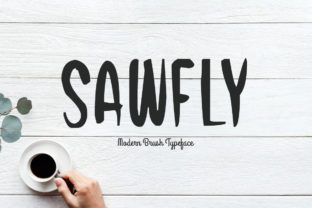
Last Tuesday, I found myself staring at a plain white candle label that felt completely disconnected from the artisanal soy wax and essential oils inside the jar. As a creative consultant helping small businesses refine their visual identity, I see this disconnect often; the product is handmade and full of character, but the typography feels generic or overly stiff. This is exactly the moment when introducing Sawfly can transform a simple package into a cohesive brand experience. The Sawfly is a brand new brush font that brings an authentic, hand-painted energy to projects that need to feel personal yet professional. When we updated that candle label using Sawfly for the product name, the difference was immediate. It wasn't just text anymore; it was a signature. For any entrepreneur navigating the crowded market of handmade goods, understanding how specific Display Fonts like this one function in real-world applications is the key to standing out without hiring an expensive agency.
Using Sawfly for Product Packaging and Label Design
When evaluating Sawfly within the category of premium Fonts for physical products, readability on curved surfaces and small print areas becomes the primary concern. In my recent work with a boutique skincare line, we needed a typeface that could serve as the primary identifier on 2oz amber bottles while maintaining legibility against a textured paper background. Sawfly excels here because its brush strokes have enough weight variation to remain crisp when printed at smaller sizes, unlike thinner script fonts that tend to disappear on kraft paper or matte labels. We used Sawfly strictly for the product names—"Lavender Calm" and "Citrus Glow"—while pairing it with a clean, geometric sans serif for the ingredient lists and usage instructions. This hierarchy is crucial. A common mistake small business owners make is using a decorative display font for everything, which creates visual clutter. By reserving Sawfly for the high-impact moments on your packaging, you guide the customer’s eye exactly where you want it, creating a shelf presence that feels curated and intentional rather than chaotic.
Creating Memorable Logos and Business Stationery
For entrepreneurs building a brand identity from scratch, Sawfly offers a versatile foundation for logos and essential stationery that avoids the trap of looking like a template. I recently consulted for a local bakery that wanted to move away from a cliché rolling-pin icon and toward a wordmark that evoked warmth and freshness. Because Sawfly is a brand new brush font, it lacks the overused familiarity of older script typefaces, giving the bakery’s logo a proprietary feel. We utilized the font’s natural ligatures and flowing connections to create a custom lockup that looked hand-lettered specifically for them. This same treatment translated beautifully to their thank-you cards and order forms. When customers receive a package with consistent typography across the sticker seal, the invoice, and the care card, it builds subconscious trust. It signals that the business pays attention to details. If you are designing your own stationery, remember that Sawfly works best as the hero element; let your body copy breathe with a simple serif or sans serif so the brush texture of the logo remains the star of the show.
Sawfly for Website Headers and Social Media Graphics
Digital consistency is often where handmade brands struggle, but integrating Sawfly into website headers and social media templates creates a seamless bridge between your physical product and your online storefront. While reviewing Display options for an e-commerce site refresh, I tested Sawfly against standard web-safe scripts and found it offered significantly more personality without sacrificing load-time clarity when used in static images. For Instagram stories and Pinterest pins, this font is a powerhouse. We created a set of reusable Canva templates for a ceramicist where Sawfly was used exclusively for sale announcements and collection titles. The organic, imperfect lines of the brush strokes photograph exceptionally well against lifestyle imagery, adding a layer of tactile softness to digital screens that usually feel cold. However, a word of caution for web design: never use Sawfly for long paragraphs or navigation menus. Its intricate details are designed for headlines and short phrases. Keep your user interface text utilitarian and save Sawfly for the emotional hooks—the banner announcing a new drop or the quote overlay on a testimonial graphic.
Designing Flyers, Posters, and Event Materials
Print marketing materials like flyers, posters, and music covers demand a typeface that can command attention from a distance while inviting closer inspection, and Sawfly delivers this dual function effectively. I worked with a community café promoting a seasonal latte menu, and we needed signage that felt welcoming rather than corporate. Using Sawfly for the large-format chalkboard-style poster allowed us to mimic the aesthetic of hand-drawn sign art but with the polish of professional vector typography. The font’s dynamic baseline and varying stroke widths prevent the text from looking static or computer-generated, which is vital for event promotion where vibe is everything. When designing your own flyers or music covers, consider the negative space around the letters. Sawfly has an expressive rhythm that needs room to perform; cramming it into a tight box kills its energy. Let the swashes extend naturally, and ensure your background color provides high contrast. This approach turns a standard informational flyer into a piece of art that people actually want to keep or share online.
Licensing and Technical Considerations for Commercial Use
Before you commit Sawfly to your next t-shirt run or commercial print design, it is essential to verify the specific licensing terms and file formats included with your purchase. As a business owner, protecting yourself legally is just as important as the aesthetic choice. Most premium Fonts come with different license tiers; a personal license might cover your hobby blog, but selling t-shirts or using the font on product packaging typically requires a commercial or extended commercial license. Always check the foundry’s documentation to ensure your intended use case—whether it’s merchandise, client work, or digital downloads—is covered. Additionally, look for OpenType features. Does the version of Sawfly you are downloading include alternate characters, swashes, or multilingual support? These extras can be the difference between a good design and a great one, allowing you to customize the flow of words to fit unique label shapes or international markets. Finally, test the font in your actual production environment before ordering bulk prints. What looks perfect on a backlit monitor might need slight tracking adjustments when embroidered on apparel or stamped on recycled paper. Taking these practical steps ensures that your investment in Sawfly translates smoothly from screen to shelf.